Understanding Discovery in Complex Litigation
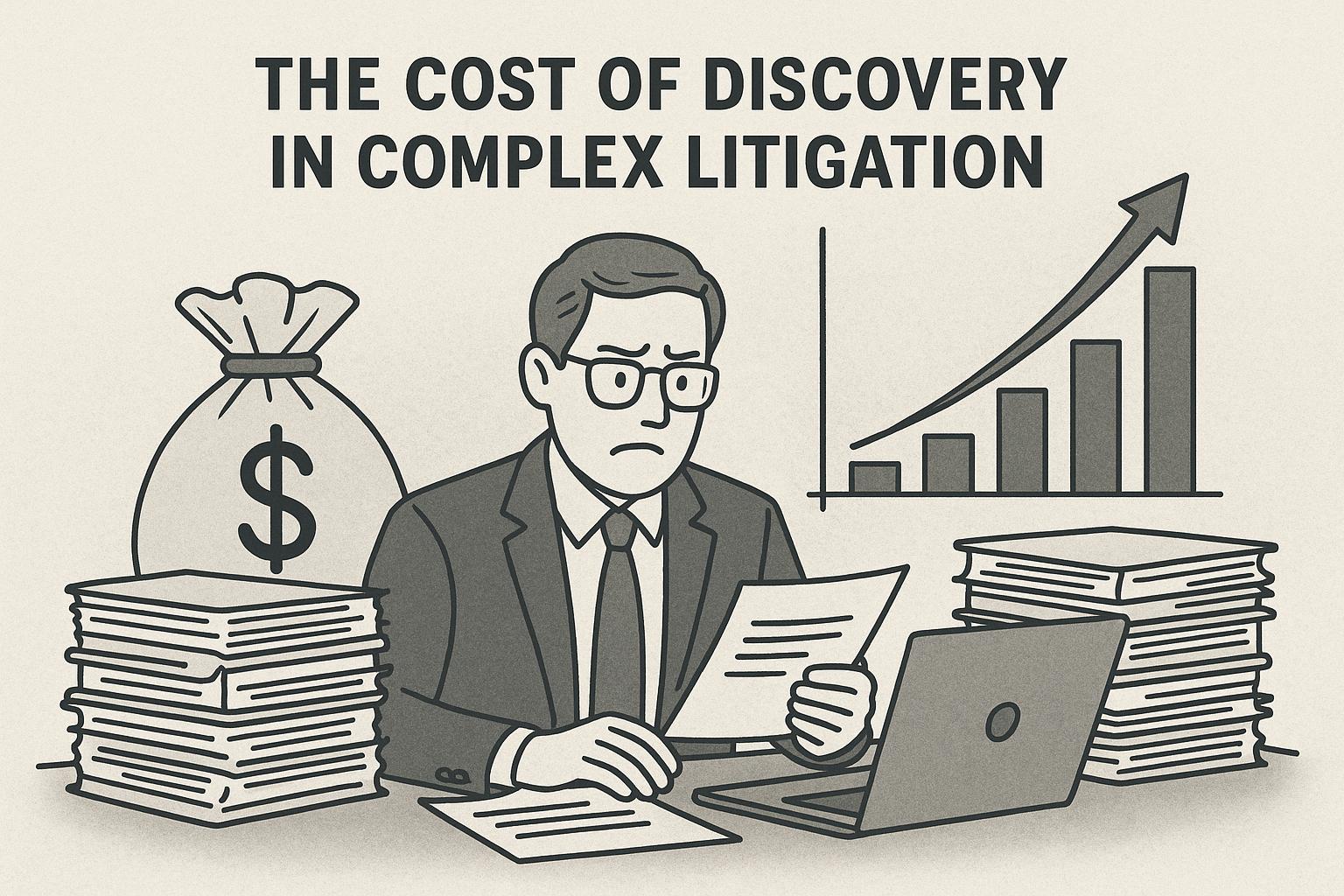
In the context of legal proceedings, discovery is a vital process that involves the exchange of information between parties. It ensures that both sides have access to the relevant facts, documents, and evidence necessary to argue their case effectively. However, in complex litigation, discovery can become a particularly intricate and costly undertaking, often extending the timeline of legal proceedings.
The Nature of Complex Litigation
Complex litigation typically involves cases with multiple parties, extensive documentation, and complicated factual or legal issues. These can include class action lawsuits, antitrust litigation, and intellectual property disputes. The inherent complexity of such cases often leads to a more demanding discovery process, where the depth and breadth of information required are significantly greater than in simpler legal matters.
The Discovery Process
The discovery process generally encompasses several key activities:
1. Document Production: Parties are required to produce relevant documents, which can range from emails and contracts to detailed reports and digital files. In complex litigation, this phase can be overwhelming due to the sheer volume of materials involved. Legal teams must meticulously review documents to ensure that nothing crucial is overlooked. This often necessitates the employment of document review teams and sophisticated software to manage the extensive data.
2. Depositions: Witnesses and parties may be deposed to provide sworn testimony. This stage involves significant coordination, as scheduling and conducting multiple depositions add both time and cost. The preparation for depositions gathers momentum, requiring attorneys to develop strategies for questioning and defending depositions. Coordination in setting up these meetings can be challenging, especially when dealing with witnesses from different geographic locations or those who require translators.
3. Interrogatories and Requests for Admission: Written questions and requests for factual admissions aim to clarify the issues at hand. In complex cases, crafting and responding to these requests can be resource-intensive. The goal is to narrow down the facts and issues that need resolution at a trial, aiding in a more focused litigation process. This phase requires adept drafting skills to frame interrogatories that effectively elicit the necessary information while minimizing room for evasion or ambiguity.
Challenges in Discovery
The discovery process in complex litigation presents several challenges:
High Costs: The need to review, produce, and manage vast volumes of documentation can lead to substantial financial burdens for all parties involved. Legal firms often employ specialized teams or engage third-party services to handle discovery, further inflating costs. Every stage in the discovery process demands resources, from the human capital involved in document review to the technology deployed for data management, increasing the overall financial impact significantly.
Time-Consuming Nature: Given the intricacy of issues and the multitude of documents, discovery can take months or even years. Delays can arise from disputes over the scope of discovery or motions to compel the production of materials. The timeline can extend as parties engage in back-and-forth negotiations to determine what information should be exchanged. Obstacles such as resistance to disclose certain documents or prolonged negotiations on confidentiality agreements further lengthen the discovery phase.
Technological Complexity: With the increase in electronic data, e-discovery has become a central focus. Managing and analyzing digital documents require advanced technology and expertise, introducing additional layers of complexity and expense. Digital data often involves vast amounts of email correspondence, social media content, and electronic records that must be cataloged and reviewed. This necessitates a thorough understanding of digital forensic techniques and sophisticated software tools to sift through the data efficiently.
Efforts to Manage Costs
To address the challenges and costs associated with discovery in complex litigation, several strategies have been developed:
One approach is implementing effective case management practices that can help streamline the discovery process and reduce unnecessary delays. Case management conferences early in the litigation process can set the stage for smoother discovery by allowing parties to agree on the scope and timelines.
Technology-assisted review (TAR) tools have become indispensable. These tools use machine learning and artificial intelligence to identify pertinent documents within large datasets. By helping lawyers pinpoint necessary materials quickly, TAR tools can significantly reduce the time and cost involved in manual review.
Engaging in early case assessments allows parties to better understand the scope and scale of discovery, making it feasible to limit the costs involved from the outset. By evaluating the strength and weaknesses of a case early on, parties can make more informed decisions about which documents are critical and which avenues of inquiry should be pursued aggressively.
Negotiating and agreeing on the scope of discovery at an early stage can also prevent conflicts and motions that could delay proceedings. Tools such as protective orders and clawback agreements can address concerns over inadvertently sharing privileged information, thereby facilitating a more open exchange of documents.
In conclusion, while discovery is an indispensable part of complex litigation, its associated costs and challenges require thoughtful consideration and strategic planning. By leveraging technology and innovative practices, the legal community continues to seek ways to make the process more efficient and cost-effective for all parties involved. Efforts are ongoing to refine and enhance discovery strategies, aiming to strike a balance between thoroughness and efficiency. Through collaboration and technological advancements, the goal is to mitigate the burdens of discovery without compromising on the quality of the legal process.