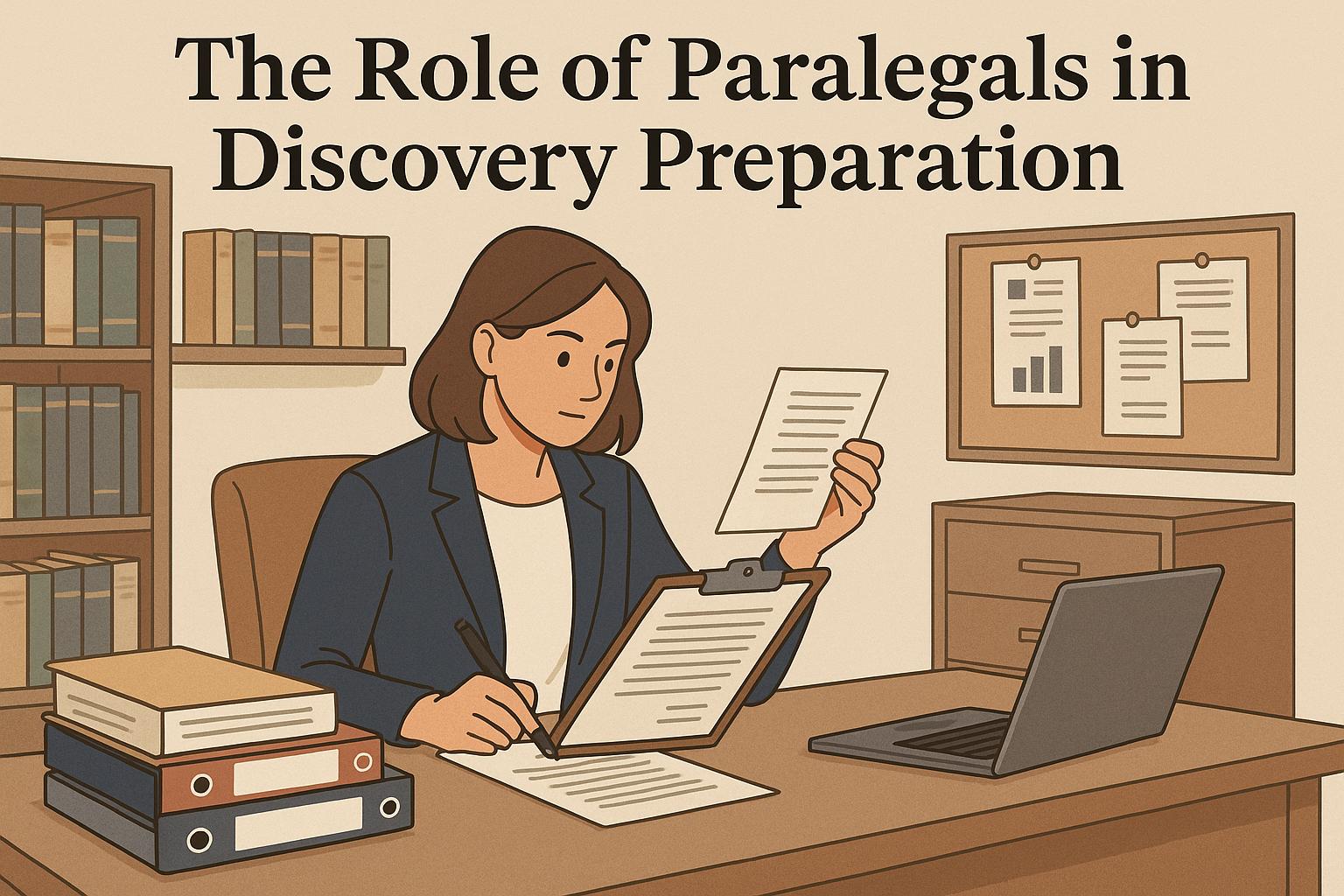
The Role of Paralegals in Discovery Preparation
The discovery phase is a critical component of the litigation process, where each party investigates the facts of a case, gathering evidence and information. Paralegals play a vital role in this stage, assisting attorneys in building a comprehensive and compelling argument. Their responsibilities during discovery preparation are multifaceted, involving meticulous attention to detail and a deep understanding of legal procedures.
Document Management and Organization
One of the primary responsibilities of paralegals in discovery preparation is the effective management and organization of documents. They must ensure that all documents are collected accurately and stored properly. This involves categorizing hundreds or even thousands of pages of evidence, often using specialized software tools designed for document management.
Proper document management is essential as it dictates how smoothly the discovery phase will proceed. Paralegals are tasked with creating and maintaining detailed databases that index essential documents. These databases must be easily accessible to attorneys and other legal team members, facilitating seamless case management. Effective document handling ensures that attorneys can retrieve necessary documents swiftly, making informed decisions swiftly and efficiently.
Conducting Legal Research
Paralegals also engage in extensive legal research to support the discovery process. They identify and analyze pertinent statutes, case laws, and precedents that may impact the case. This research is crucial for understanding the legal context and identifying potential challenges or defenses.
The ability to sift through vast amounts of legal information and extract relevant precedents and statutes is a skill many paralegals develop over years of diligent practice. In addition, paralegals may be required to compile reports and summaries based on their findings. These documents serve to inform attorneys and help shape the direction of the case strategy. The research and insights provided by paralegals often become the backbone of the legal team’s approach to the case.
Assisting with Interrogatories and Depositions
Interrogatories and depositions are integral components of discovery. Paralegals help prepare interrogatories, which are written questions sent to the opposing party. They work closely with attorneys to draft these questions and ensure that they are clear, concise, and relevant to the case.
When it comes to depositions, paralegals often coordinate logistics, such as scheduling and arranging meeting spaces. They may also assist by preparing deposition summaries and organizing important notes for attorneys to use during questioning. The precision and care involved in preparing for interrogatories and depositions can heavily influence the outcome of these proceedings. Paralegals ensure that every question presented is purposeful, helping attorneys to gain crucial insights from the opposing party.
Reviewing and Summarizing Discovery Documents
A significant part of a paralegal’s role in the discovery phase is the review and summarization of discovery documents received from the opposing party. This task requires a keen eye for detail, as paralegals must identify any information that may be pertinent to the case.
Paralegals create summaries that pinpoint key facts, inconsistencies, or admissions, providing a concise overview that aids attorneys in understanding the material quickly and efficiently. These summaries play a critical role in the ongoing evaluation and strategy development of the case. By highlighting the most relevant pieces of information, paralegals help attorneys focus on critical areas that need attention.
Maintaining Compliance and Deadlines
Compliance with discovery-related deadlines is paramount, as failure to adhere to timelines can result in legal penalties or unfavorable outcomes. Paralegals are responsible for tracking these deadlines and ensuring that discovery requests are completed and submitted on time.
They must also ensure that all discovery activities comply with jurisdictional rules and regulations, avoiding any procedural errors that could disadvantage the case. The ability to keep strict adherence to deadlines prevents unnecessary disputes and demonstrates a legal team’s professionalism and readiness.
Facilitating Communication and Coordination
Effective communication is essential during the discovery phase. Paralegals often act as liaisons between attorneys, clients, and other team members, ensuring that all parties are informed and aligned. They coordinate meetings and distribute updates, supporting a collaborative and coherent legal strategy.
Paralegals’ roles extend to scheduling discussions, arranging electronic communications, and ensuring that all team members understand the current status and next steps in the case. The coordination efforts of paralegals ensure no crucial updates or strategies are lost in translation, keeping the legal team synchronized.
In conclusion, paralegals are indispensable to the discovery preparation process. Through their diligent work in managing documents, conducting research, supporting interrogatories and depositions, and maintaining compliance, they provide the foundation that allows attorneys to focus on developing a compelling case strategy. Their contributions are critical to the success of the litigation process.
Working often behind the scenes, paralegals ensure that the legal process runs efficiently and effectively. They are the unsung heroes who gather the pieces of the puzzle that attorneys must present in court. Their commitment to organization, research, and procedural compliance establishes a robust framework for handling cases. As the legal landscape continues to evolve, the role of paralegals in discovery preparation will continue to be a pivotal component of legal proceedings.