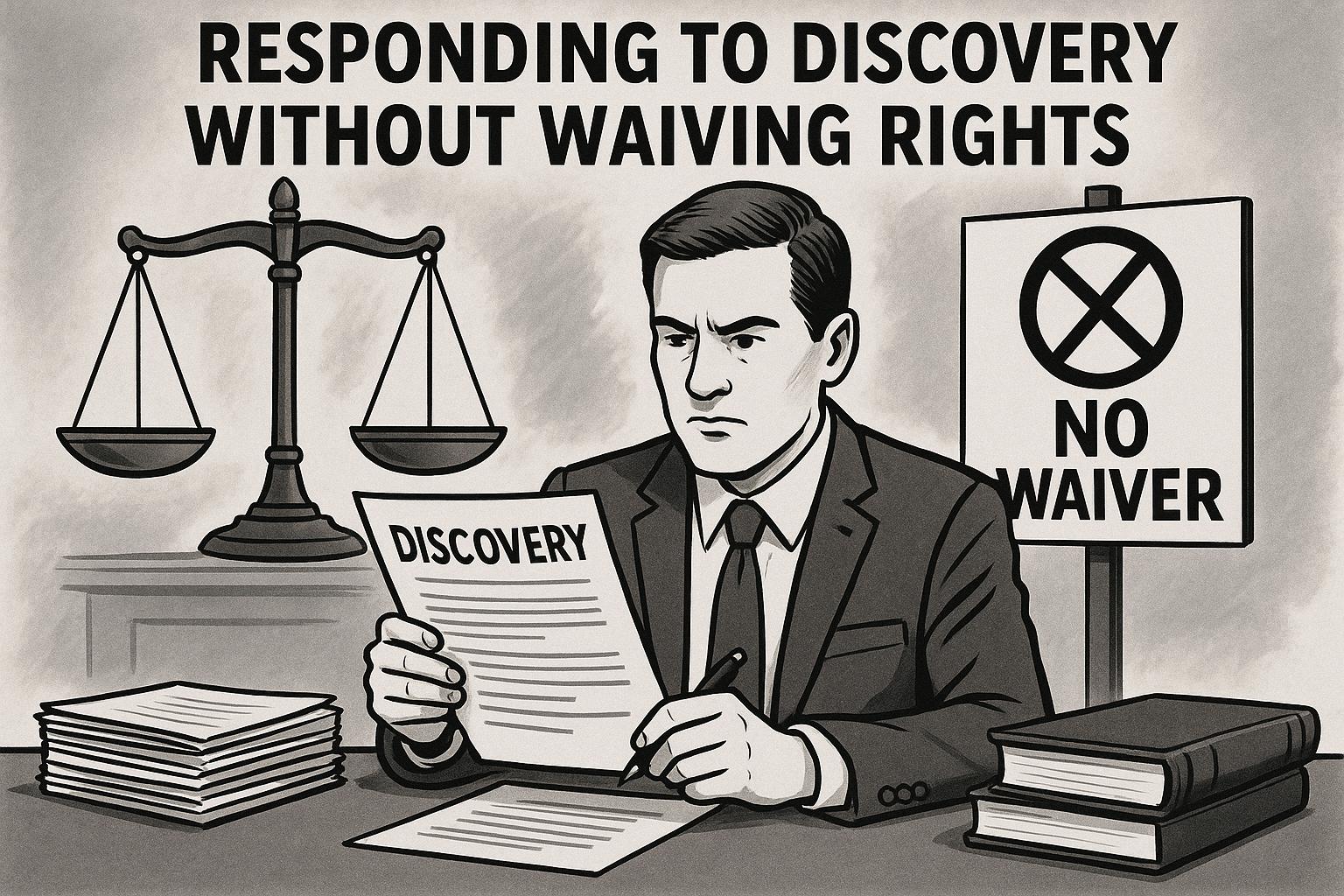
Understanding the Discovery Process
In the legal realm, discovery represents a pivotal phase within the broader landscape of pre-trial procedures relevant to both civil and criminal cases. It is a methodical process wherein the involved parties exchange pertinent information that might influence the outcome of a case. Mastering this phase is essential as it empowers each side to gather critical evidence, recognize key facts, and evaluate the strengths and weaknesses underlying their cases. In both civil litigation and criminal prosecution, the discovery process forms the foundation upon which legal strategies are constructed and decisions are made.
Purpose of Discovery
The primary aim of discovery is to prevent unexpected turns during trial proceedings by ensuring equitable access to necessary information for all parties involved. By facilitating an open exchange, discovery encourages the settlement of cases even before they reach the trial stage. This reduction in surprise elements naturally decreases the areas of dispute, laying a path toward more amicable and less adversarial resolutions. The process demands transparency, fostering a system where the pursuit of justice walks hand in hand with equitable access to information.
Types of Discovery
Within the discovery process, there lie several methods that attorneys and litigants commonly utilize to achieve their informational objectives. Each method serves a distinct purpose and applies to varying aspects of gathering evidence:
Depositions: A deposition involves a formal questioning session where witnesses or involved parties provide testimony under oath. It is an oral process conducted in the presence of legal counsel, where the spoken word becomes a vital tool in uncovering truths.
Interrogatories: Unlike depositions, interrogatories consist of a series of written questions one party submits to the other, demanding written responses under oath. This written exchange aims to elicit further detail from the opponent without the immediacy of oral questioning.
Requests for Production: These requests form a crucial part of the documentary evidence collection by asking the opposing party to provide specific documents or evidence relevant to the case. It plays a pivotal role when physical evidence or documents need to be scrutinized.
Requests for Admissions: Through such requests, one tries to establish certain facts as true, asking the opposing party to admit or deny them. If admitted, these facts no longer remain in dispute, simplifying the issues to be resolved at trial.
Protecting Your Rights During Discovery
While discovery is an indispensable part of legal proceedings designed to encourage transparency, it encompasses potential challenges in protecting one’s rights. Missteps during this phase can inadvertently lead to over-disclosure, which might prove detrimental. Therefore, responding diligently and appropriately becomes critical for navigating this process efficiently.
Strategies for Responding Effectively
Effectively responding to discovery requests necessitates maintaining a balance between cooperation with the opposing party and safeguarding oneself against unwarranted over-disclosure.
Understanding the Scope
A thorough examination of discovery requests is paramount to grasping their intended scope. Requests that are too broad or ambiguously phrased may lead to issues of over-disclosure or irrelevant sharing. Clearly comprehending what is being requested allows for more precise responses, evidence collection, and documentation.
Providing Relevant Information
It is crucial to ensure that responses are limited to relevant information directly addressing the posed questions or requests. Providing extraneous details can inadvertently weaken one’s case, offering opposing parties unnecessary insights. Precision and relevance should guide the crafting of every response.
Objecting When Necessary
Certain requests may be deemed inappropriate, overly burdensome, or intrusive. In such cases, objections are necessary to avert potential negative consequences. Common grounds for raising objections in the discovery process involve:
- Relevance: Information that does not pertain to any claim or defense in the case can be objectionable if it lacks pertinence.
- Privilege: Communications shielded by attorney-client privilege or other confidentiality doctrines should be protected from disclosure.
- Undue Burden: Requests imposing excessive burdens concerning cost or efforts required may be deemed objectionable and unreasonable.
Consulting Legal Counsel
The role of legal counsel becomes invaluable during the discovery phase. Attorneys guide individuals and organizations through the intricacies involved with the process, advising on how to respond appropriately without compromising rights. By consulting legal counsel, one ensures protection of rights while effectively meeting obligations to produce relevant information, benefiting from professional insights and experience.
Conclusion
In summary, the discovery process constitutes a fundamental component of the legal system, committed to promoting transparency and fairness. However, careful navigation is necessary to prevent the compromise of one’s rights. Understanding the scope of discovery requests, adhering to relevance in information provision, objecting when necessary, and seeking legal counsel are all critical steps toward responding effectively. These strategies ensure compliance and protection within the legal framework, allowing parties to engage fully with the judicial process while shielding their legal interests.