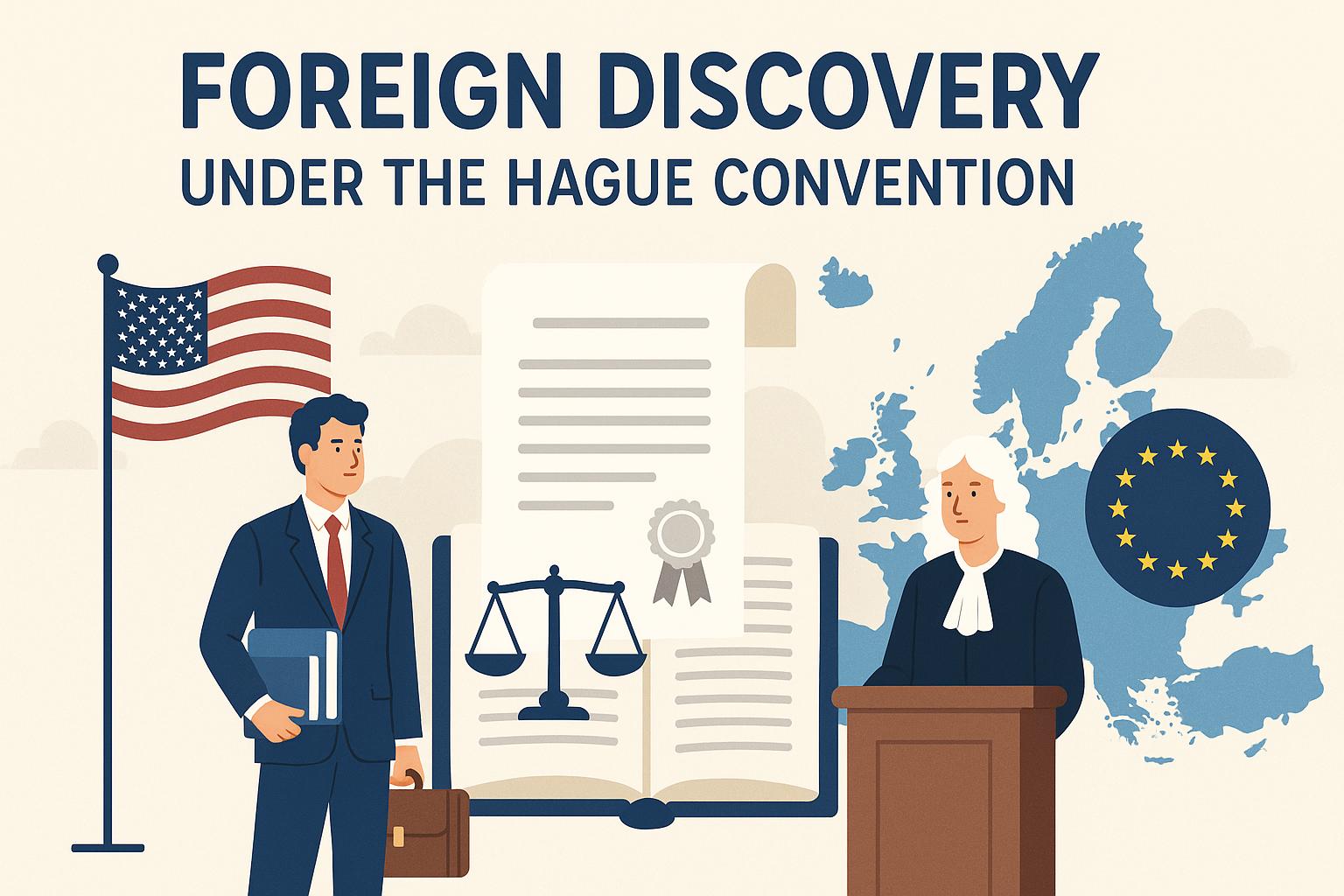
Introduction to the Hague Convention on the Taking of Evidence Abroad
The Hague Convention on the Taking of Evidence Abroad in Civil or Commercial Matters, commonly referred to as the Hague Evidence Convention, represents a significant stride in international law, particularly in the realm of judicial cooperation. This international treaty was established to streamline and standardize the cross-border evidence-gathering process, addressing a crucial need in civil and commercial litigation that involves parties located in different countries. In essence, the Hague Evidence Convention is designed to aid legal practitioners in acquiring evidence from foreign nations, adhering to a structured protocol that respects the sovereignty and legal systems of all participatory states.
Key Features of the Hague Evidence Convention
Letters of Request: At the heart of the Hague Evidence Convention is the concept of the “Letter of Request.” This document serves as a formal bid from a court in one jurisdiction to a judicial authority in another jurisdiction to gather evidence. Importantly, the letter of request is not simply a bureaucratic formality but is a respected legal instrument that ensures the legitimacy and formal acknowledgment of the request across borders. It also ensures that the evidence obtained adheres to the legal standards required in civil or commercial proceedings.
Participating Countries: Since the convention’s initiation in 1972, it has garnered widespread acceptance across the globe, with numerous countries signing on as parties to the treaty. This extensive participation underscores the convention’s strength and applicability in various legal frameworks, although disparities in the implementation and interpretation of its provisions persist from one jurisdiction to another, even among major commercial hubs.
Permissible Methods: A notable feature of the convention is its flexibility regarding the methods of gathering evidence. It allows for several procedures, such as taking depositions, obtaining relevant documents, and conducting necessary inspections. These activities, however, remain subject to the legal requirements and customs of the country where the evidence is being collected, ensuring that local laws are respected and adhered to throughout the process.
Process for Requesting Evidence
The process for securing evidence under the Hague Evidence Convention is methodical and begins with a foundational step:
- Identify the Competent Authority: Each contracting state is obligated to appoint a central authority responsible for receiving letters of request. This entity plays a crucial role as it serves as the liaison that manages communication between the requesting foreign court and the domestic judicial or administrative bodies. Thus, understanding the specific legal obligations and functions of these designated authorities is crucial for a successful request.
- Drafting the Letter of Request: Drafting an effective letter of request requires meticulous attention to detail. The document should comprehensively explain the evidence needed and articulate the rationale behind its acquisition. It must also account for any procedural requirements that might be pertinent to complying with the legal standards of the requested state, ensuring a smooth execution process.
- Submission and Execution: Once drafted, the letter is submitted to the receiving authority, who then scrutinizes the request to ensure it aligns with national legal norms. If the request meets the necessary criteria, the authority will implement the requested measures to gather the desired evidence.
Challenges and Considerations
While the Hague Evidence Convention provides a robust framework for international cooperation, several challenges can complicate the evidence-gathering process:
Differences in Legal Systems: The convention operates in a diverse legal landscape, encompassing both common law and civil law systems. These differing legal traditions can lead to variations in how the treaty is interpreted and enforced, potentially causing inconsistencies in the application of the convention’s provisions and compelling parties to navigate differing legal paradigms strategically.
Sovereignty Concerns: Despite the cooperative spirit of the convention, issues of national sovereignty remain paramount. Countries are often cautious in ceding jurisdictional control, resulting in cautious or restrictive application of the convention’s articles. This sometimes leads to additional legal hurdles that parties must overcome to successfully gather the required evidence.
Time-Consuming Process: Another concern is the time sensitivity associated with legal proceedings. The bureaucratic processes inherent in fulfilling a request under the convention can lead to delays, which may not align with the urgent timelines often necessary in commercial disputes. This aspect necessitates careful planning and strategic timing to ensure compliance without jeopardizing case deadlines.
Conclusion
The Hague Evidence Convention serves as a cornerstone for international legal processes involving evidence collection, acting as a bridge that connects diverse legal systems. By offering a standardized mechanism for cross-border judicial cooperation, the convention plays a crucial role in facilitating legal processes in civil and commercial matters. However, its effective utilization demands a comprehensive understanding of its provisions as well as the domestic laws of the countries involved. By appreciating its potential and navigating its complexities, legal practitioners can leverage this vital tool to enhance the efficiency and efficacy of their evidence-gathering endeavors, ultimately contributing to the fair and just resolution of international disputes.