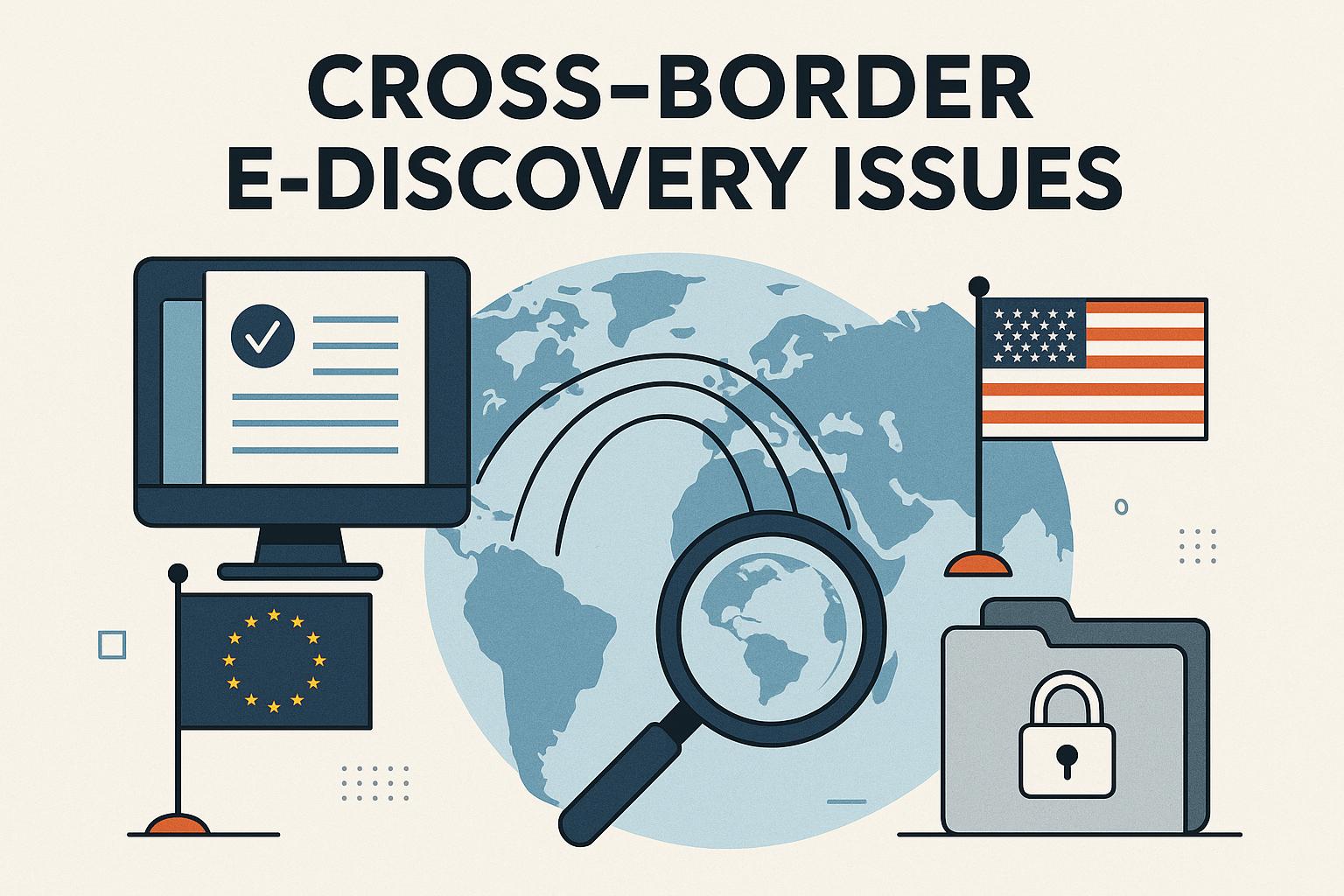
Introduction to Cross-Border E-Discovery
Cross-border e-discovery is a critical component of modern litigation and regulatory investigations, reflecting the globalization of business and communications. In an era where businesses operate across multiple countries, managing electronically stored information (ESI) becomes both complex and sensitive. Legal professionals are tasked with navigating an intricate web of differing national laws, data protection regulations, and cultural considerations, all of which play a pivotal role in the responsible and legal handling of ESI.
Data Privacy and Protection Challenges
One of the primary challenges in cross-border e-discovery is adequately managing data privacy and protection. Various countries worldwide have enacted stringent data protection laws that govern the processing and transfer of personal data. A salient example is the European Union’s General Data Protection Regulation (GDPR), which imposes strict rules concerning how personal data can be collected, stored, and shared. Compliance with such laws is imperative; not doing so could result in hefty penalties and increased risks. Legal teams involved in e-discovery endeavors must remain vigilant, ensuring they operate within the bounds of these complex regulations.
Conflict of Laws
Another significant challenge encountered in cross-border e-discovery is the conflict-of-law issues that arise when legal systems in different jurisdictions have conflicting requirements. For example, U.S. litigation may necessitate data disclosure that is protected under another country’s jurisdiction. Navigating these conflicts isn’t straightforward and demands expertise. In many instances, it involves seeking permissions from foreign courts or adhering to specific international agreements or treaties to harmonize the conflicting legal requirements.
Data Localization Requirements
Additionally, numerous jurisdictions impose data localization requirements, mandating that specific data types remain stored and processed within their borders. This can create logistical hurdles for organizations engaging in e-discovery, as it may restrict the transfer or review of data across national boundaries, thereby complicating the discovery process. The challenges of ensuring compliance with data localization laws demand both strategic planning and a comprehensive understanding of the relevant legislation in each jurisdiction involved.
Cultural and Language Considerations
In addition to legal and regulatory barriers, cultural and language differences also significantly impact the e-discovery process. Varying business practices, language barriers, and different approaches to data management require thorough consideration to ensure effective and precise e-discovery. Organizations must adapt to these cultural nuances, as understanding these differences is crucial for managing communication and expectations throughout the e-discovery process.
Language barriers, in particular, pose unique challenges. Documents and data may be in various languages, necessitating translation services that maintain the accuracy and context of the original content. Misinterpretations or inaccuracies can lead to complications in legal proceedings and possibly affect case outcomes.
Mitigating Risks in Cross-Border E-Discovery
To effectively manage cross-border e-discovery, organizations must adopt several strategic approaches. First, engaging with legal experts who are well-versed in the laws of all pertinent jurisdictions is indispensable. These experts provide invaluable insights and guidance on navigating the complex legal landscape that surrounds cross-border e-discovery.
Organizations can also leverage technology, employing advanced data processing tools capable of handling large volumes of ESI efficiently. These tools can streamline the e-discovery process, reducing the time and resources required while ensuring data is handled in compliance with various legal requirements.
Moreover, implementing comprehensive data governance policies plays a crucial role. Establishing clear guidelines and protocols for managing data ensures organizations handle ESI responsibly and in accordance with international legal standards. This proactive measure significantly mitigates risks associated with non-compliance and data protection breaches.
Conclusion
Cross-border e-discovery is an intricate and challenging aspect of modern legal practice. Successfully navigating the varied legal landscapes requires a meticulous and well-informed approach to comprehending and adhering to international laws and regulations. By adopting a strategy that combines careful planning and expert guidance, organizations can effectively manage the complexities inherent in cross-border e-discovery. This approach minimizes legal risks and compliance challenges, allowing organizations to maintain their focus on the substantive aspects of litigation and regulatory investigations.
In conclusion, although cross-border e-discovery presents numerous challenges, particularly concerning legal compliance and cultural differences, a comprehensive strategy that combines legal expertise, technological tools, and robust data governance policies can effectively manage these obstacles. This enables organizations to streamline the e-discovery process while ensuring compliance with international legal frameworks, ultimately fostering a more efficient and legally sound approach to international litigation and regulatory matters.