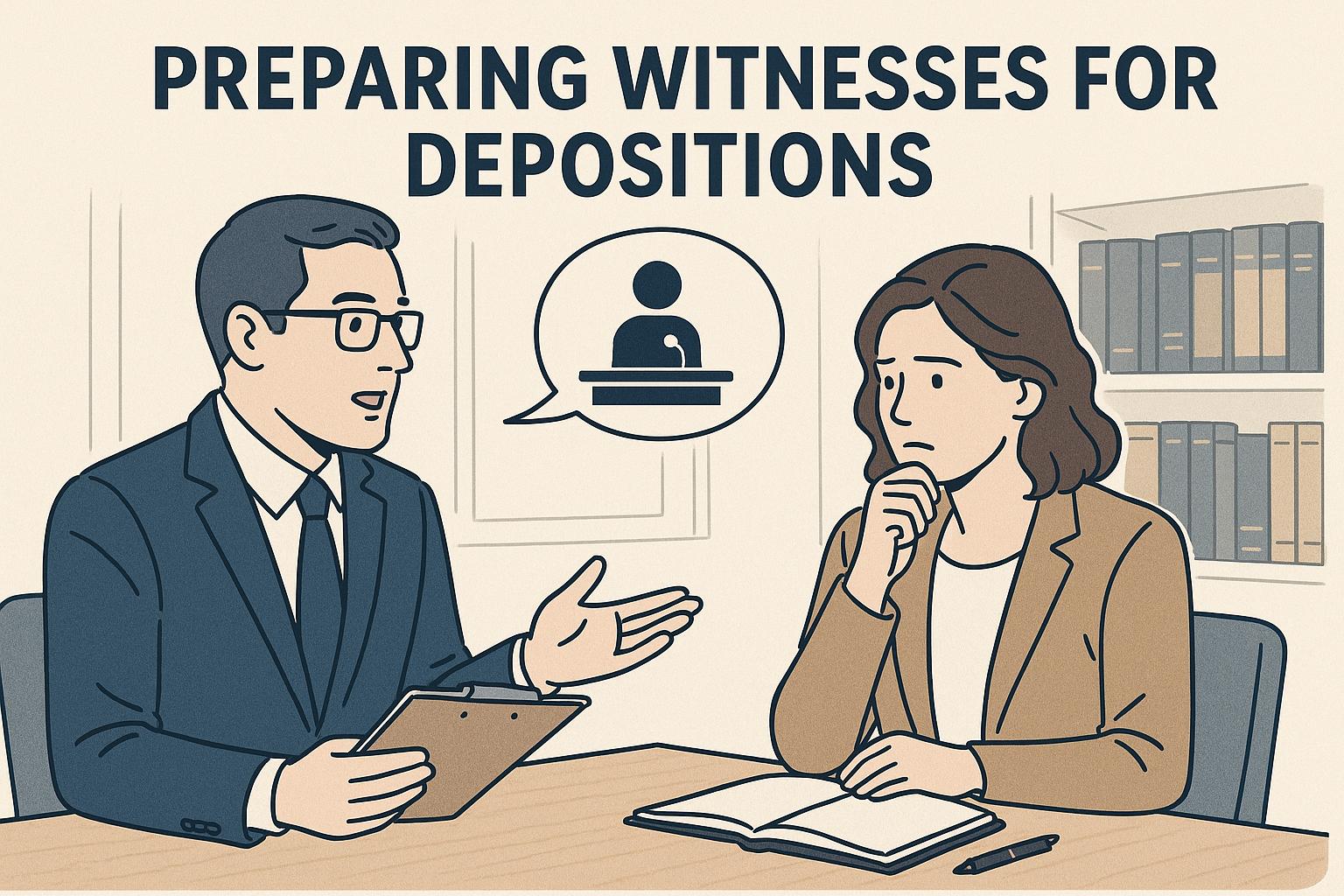
Understanding the Role of Witnesses in Depositions
Depositions represent a significant phase in the discovery process within legal proceedings, offering an opportunity for attorneys to secure sworn testimony from witnesses. Comprehending the role of witnesses during these proceedings is vital for both legal experts and the witnesses themselves. A deposition’s objectives include uncovering pertinent facts, preserving testimony, and assessing the credibility of witnesses.
The Importance of Preparation
Preparation is a critical factor that can substantially affect the results of a deposition. Witnesses who have been thoroughly prepared are better positioned to provide clear, concise, and precise testimony, which can positively influence the outcome of the entire case. Legal professionals highlight that preparation is essential to reduce misunderstandings and to ensure that the witness approaches the deposition with confidence.
Steps in Preparing Witnesses
The preparation process encompasses several steps, focusing on both factual and procedural understanding. Ensuring witnesses are aware of both the relevant facts pertaining to the case and the deposition process itself is crucial.
Reviewing Case Facts
A comprehensive review of the case facts by witnesses is fundamental. This process might involve going through various documents, earlier statements, and any additional pertinent information. A robust understanding of the case context and the witness’s involvement is essential, enabling them to respond to questions accurately and without hesitation.
Understanding the Deposition Process
Gaining an understanding of the deposition process is equally significant. Witnesses should be briefed thoroughly on what to anticipate during the deposition, including the roles of all present individuals, such as attorneys and the court reporter. Knowledge of these procedural aspects assists witnesses in maintaining composure and focus.
Conducting Mock Depositions
Mock depositions serve as an invaluable tool in the preparation of witnesses. These simulations recreate the actual deposition environment, providing a practice arena for the witness. Through these mock sessions, witnesses can hone their responses and receive constructive feedback. This rehearsal can alleviate anxiety and enhance the witness’s performance during the formal deposition.
Effective Communication Techniques
During the preparation phase, it is advised that witnesses concentrate on mastering effective communication techniques. This includes listening attentively to each question, asking for clarification if needed, and responding succinctly. Pausing before answering is often suggested, allowing adequate time to construct a thoughtful response.
Avoiding Common Pitfalls
Witnesses should remain vigilant of common pitfalls, such as over-communicating or volunteering unrequested information. It is recommended to answer only what is asked and to stay within the confines of known information. Additionally, it is crucial to maintain composure, even under confrontational or leading questions posed by the opposing counsel.
Legal and Ethical Considerations
Ethical considerations are integral to the deposition process. Witnesses must grasp the legal ramifications of their testimony. Delivering false information, whether by error or intent, can lead to severe consequences, including charges of perjury. Thus, honesty and precision in responses are of utmost importance.
Attorney-Witness Collaboration
A robust collaboration between the attorney and the witness is critical to successful deposition preparation. Attorneys offer guidance, address witness concerns, and provide strategic advice. Open dialogue between both parties is essential in ensuring that the witness feels thoroughly supported and informed throughout the preparation phase.
Conclusion
Effectively preparing witnesses for depositions constitutes a fundamental element of legal case strategy. This preparation requires a comprehensive approach, which includes understanding the facts of the case, the deposition process, effective communication, and ethical responsibilities. By investing time in meticulous preparation, witnesses can deliver testimony that significantly supports the overall litigation objectives, contributing to achieving a favorable case outcome.