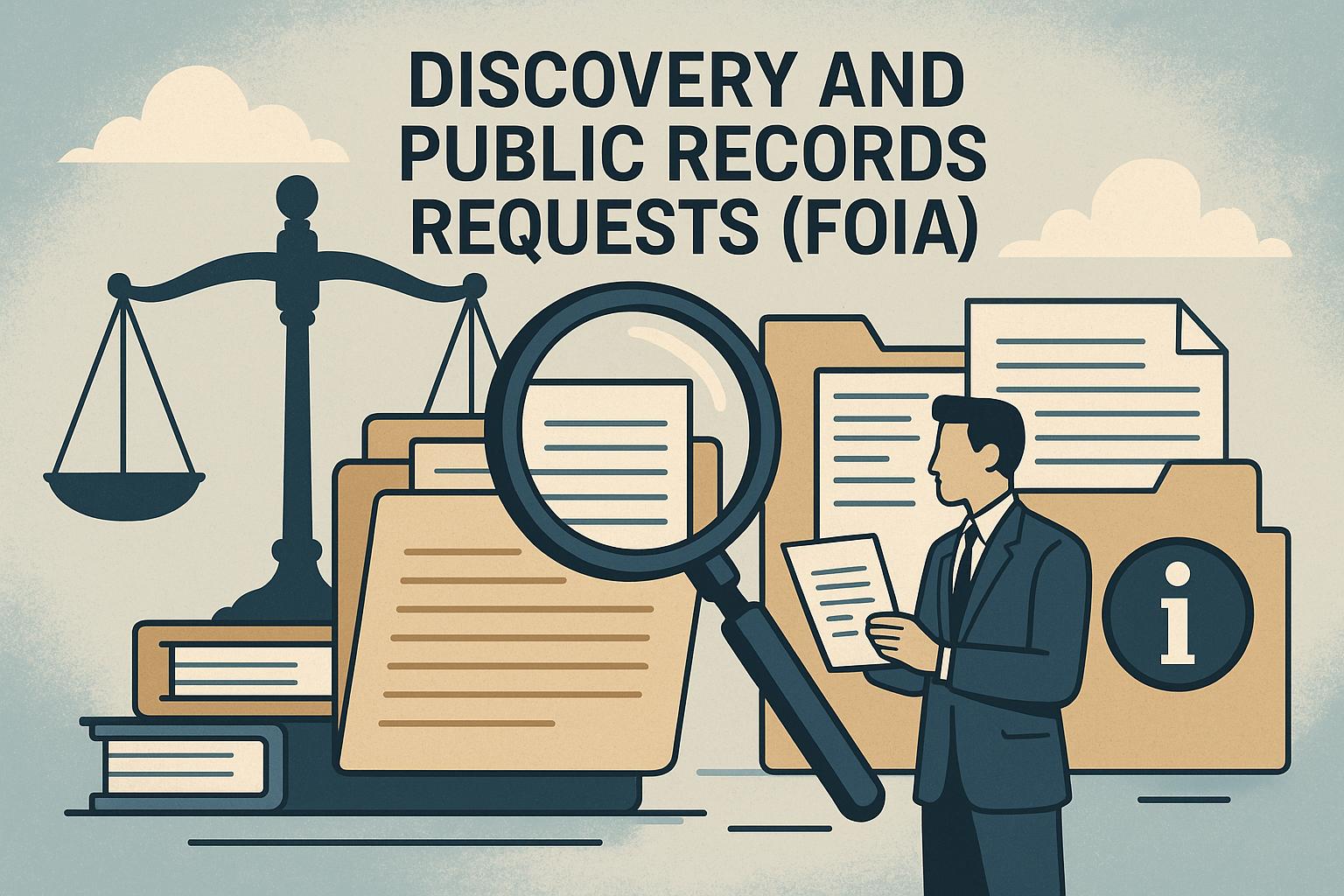
Discovery in the Legal System
The discovery process in the legal system is a foundational element of modern litigation. It plays a critical role in leveling the playing field between opposing parties by allowing both sides to thoroughly investigate the evidence that will likely be presented at trial. Without discovery, parties could potentially be blindsided by evidence they were not previously aware of, leading to unpredictable outcomes. This process is meticulously structured to ensure equitable access to all relevant materials and information, helping both parties prepare for a fair trial.
One of the main components of discovery is the exchange of Interrogatories. These are not mere informal queries; they are formal sets of written questions that demand knowledgeable and truthful answers. Answers to interrogatories are given under oath, adding a layer of seriousness and accountability to the process. This tool is particularly useful for establishing a timeline of events, gathering factual data, and understanding the opposing party’s fundamental argument in the case before the trial begins.
In parallel with interrogatories, Depositions serve as another crucial apparatus of discovery. Depositions involve oral questioning of a party or a witness under oath, with the session being recorded verbatim in transcripts that are later used in court. Depositions offer an opportunity for attorneys to probe deeper into issues than what written interrogatories might achieve. They allow lawyers to assess the credibility and reliability of witnesses, potentially influencing trial strategies.
Requests for Production are another avenue through which parties can demand access to pertinent documents, electronic data, or physical evidence that might substantiate or refute claims made in litigation. This mechanism is invaluable in cases involving complex documentation, such as corporate records or extensive correspondence, which can provide a paper trail that sheds light on the matter at hand.
Furthermore, the process includes Requests for Admission, where each party can ask the other to acknowledge the veracity of particular facts or the authenticity of documents. When a fact is admitted, it is presumed true for the trial, streamlining the issues in dispute and reducing the time needed for litigation. This can focus the court’s attention on contested issues where a significant debate is necessary, thus simplifying the trial proceedings.
Understanding the Freedom of Information Act (FOIA)
The Freedom of Information Act (FOIA) stands as a cornerstone of public governmental transparency. Since its enactment in 1966, the Act has empowered citizens, journalists, researchers, and organizations to access federal agency records, thus ensuring governmental operations remain open to scrutiny. The Act is not without restrictions; it encompasses specific exemptions to protect critical interests such as national security, personal privacy, and law enforcement procedures.
The FOIA Process
The process for filing a FOIA request is meant to be straightforward, yet it can involve intricate steps depending on the scope and nature of the request. Initially, an individual or entity must submit a Request Submission, wherein a clear, specific description of the records sought is provided. This should include any pertinent details that aid in the agency’s retrieval of the relevant records. A well-drafted request is more likely to receive a timely and accurate response.
Following the submission, the Agency Response phase begins. Under normal circumstances, agencies have a statutory period of 20 business days to respond. However, the complexity or volume of a request can extend this timeframe. During the response phase, the agency must inform the requester whether the request will be fulfilled in full, partially, or not at all, while specifying any exemptions being applied.
Once a decision is made to release records, the Release of Information takes place. If applicable, agencies redact sensitive portions of documents to comply with FOIA exemptions. The exemptions themselves span across nine categories, each serving to protect specified types of information from unintended public disclosure.
In cases where a request is denied or inadequately fulfilled, the requester may file an Appeals process within the agency. Should the appeal fail, the requester retains the right to seek judicial review, wherein a court determines whether the agency’s actions were justified under FOIA regulations.
FOIA Exemptions
The exemptions outlined under FOIA are designed to maintain confidentiality where necessary while preserving public access to information. Categories include but are not limited to, safeguarding national defense, safeguarding trade secrets, ensuring internal agency communications remain private, and preventing invasions of personal privacy. Through a structured exemption policy, FOIA seeks to balance the necessity for public oversight with the imperative need for confidentiality in sensitive contexts.
Conclusion
Both the discovery mechanisms within legal settings and the FOIA for public access highlight the importance of transparency and accountability in their respective domains. Discovery ensures justice is served through informed and equitable litigation; FOIA upholds public trust by allowing insight into governmental functions. Mastery of these tools equips individuals and entities alike with the knowledge required to navigate and interact with legal structures and public information avenues effectively. As open access to information evolves, both discovery and FOIA continue to play pivotal roles in fostering informed societies underpinned by transparent governance and fair judicial proceedings.